Low Protein Dog Food
(List of Brands and Prescription Dog Food Reviews)
If your vet has recommended low protein dog food for your furry friend, it's very likely that he has, very sadly, been diagnosed with one of the following dog illnesses:

- Chronic Canine Kidney Failure (also known as Canine Renal Failure)
- Acute Canine Kidney Failure
- Canine Kidney Disease (also known as Canine Renal Disease)
- Cushings Disease
- Congestive Heart Failure (CHF), or
- Your dog may be prone to urinary stones.
Note: A low protein dog food diet is generally not recommended for healthy animals.
Unlike high protein dog food - (often referred to as allergy free dog food, hypoallergenic dog food, or grain free dog food), which has a variety of benefits - Reduced protein dog foods are usually only indicated as a treatment aid for various dog health problems.
Note for parents of senior dogs: Please do not rely simply on the theory that senior dogs are automatically better off with less protein. This theory is often quite unfounded.
- Here's an overview of acute vs. chronic renal failure in dogs, canine kidney failure symptoms and causes, plus further valuable resources to assist you with deciding on your treatment options.
- See here for Burns Dog Food Reviews - A natural holistic dog food with low protein levels. More reviews coming soon.
- And here's our very comprehensive list of low protein KD dog food brands and prescription dog food to help you make the best renal dog food comparison.
To be automatically notified when we publish our low protein dog food reviews, please click on the orange RSS button on the left side menu, and subscribe to Dog Food Scoop (no email address required).
When to Feed a Low Protein Dog Food Diet
Mainstream School of Thought
The mainstream school of thought when treating canine renal failure is to attempt to slow down progression of the kidney disease with medication and dietary changes.If your dog is in late-stage, chronic kidney failure, and has developed uremia, your vet will most likely recommend that you adjust your dog's diet to a low protein, low phosphorus, and low sodium diet.
(FYI, uremia is an accumulation in the blood of waste products that would normally be eliminated in the urine. This produces a severe toxic condition and usually occurs in severe kidney disease).
Another benefit of reducing the protein in your dog's diet is that it helps prevent feelings of nausea and fatigue caused by these uremic toxins.
Opposing School of Thought
On the other side of the fence, there are many experts who vigorously oppose lowering a dog's protein intake for diseases such as canine kidney failure.
For those who wish to delve deeper, this easy-to-read, eye-opening paper, "Mythology of Protein Restriction for Dogs with Reduced Renal Function" published by Kenneth C. Bovee, DVM, MMedSc. is a Must Read.
His paper addresses what he claims are false assumptions which led to the low protein dog food theory for canine kidney disease, and concludes with the following powerful statement:
"Until a more critical approach with standards and oversight are brought to bear in our profession, we will likely continue to be ensnared in false myths despite the presence of sound science".
Wendy Volhard, Author of Holistic Guide for a Healthy Dog
"Those recommendations are based on a myth. In fact, the whole theory of low-protein diets for dogs with kidney disease was blown apart in 1975 by David Kronfeld, PhD, who was at the time a veterinary researcher at the University of Pennsylvania. His concept was not to feed less protein but rather to feed higher-quality protein."
See here for further research papers and resources on canine kidney disease and renal dog food.
Managing Canine Kidney Failure Symptoms
We encourage you to do your research and weigh up both arguments for yourself. Then challenge your vet, and ultimately make the decision you feel best for your beloved furry friend.
Either way, whether or not you choose to put your pooch on a low protein dog food diet, please note the following important tips:
- Make sure your dog's diet consists of a very high quality protein. FYI, processed meat (as found in commercial dog food), and grains, provide the lowest quality protein.
- Although the low protein dog food theory may be under strong criticism by many, most experts agree and recommend a low phosphorous dog food diet for dogs suffering from renal failure.
- Dogs on reduced protein diets need to be very closely monitored, in order to avoid malnutrition.
Low protein dog foods tend to be much less flavorful than regular food, causing many dogs to refuse to eat it. This is the last thing you want to happen to your precious and already sick dog, and will be very detrimental to his condition.
In order to ensure your fur baby gets all the nutrients he needs, you may have to experiment a little to find a healthy, nutritious, all natural dog food, that he finds appetizing.
- If your veterinarian has recommended a prescription dog food, we've compiled a huge list of all prescription dog foods that are low in protein; not just specific KD dog food formulas, but other premium dog food brands that offer a low protein dog food formula.
- It is critical that your dog drinks plenty of fluids to keep him well hydrated, and to help flush out his kidneys.
- For the above reason, many experts recommended canned dog food versus dry dog food
as wet dog food has a much higher concentration of water.
IMPORTANT!:
To compare canned dog food versus dry, please ensure you understand how to compare apples with apples. i.e. 18% protein on the label of wet dog food is NOT the same as 18% protein on the dry dog food label.
Canned dog food is generally much higher in protein than dry dog food, even though it may appear otherwise when comparing the dog food labels. Please ensure you are making a true dog food comparison.
- As per Patricia Schenck, DVM Phd. Veterinary Nutritionist, recent studies on canine kidney disease have found that supplementation with Omega 3 fatty acids can be very beneficial.
- You may wish to research into holistic dog care, and consider supplementing your dog's diet with natural homeopathic remedies to promote healthy kidney functioning.
- This 100% natural holistic supplement for canine kidney failure and kidney stones
looks very promising. If you look at the consumer feedback listed under the product, you will see there are over two hundred reviews all reporting extremely positive results.
All formulas are FDA registered, and developed by certified veterinarians, naturopathic doctors, and a Master Herbalist. They are produced in an organic processing facility in Kelowna, British Columbia, Canada. The product also fights infections and is a natural anti-inflammatory and pain reliever.
- If possible, we highly recommend consulting a dog nutritionist, who will also be able to provide you with some healthy homemade dog food recipes specially tailored to canine renal failure. They will also assist you on your decision of whether or not to feed a low protein dog food.
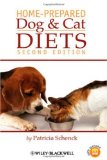
This long-awaited book includes all natural, holistic, homemade dog food recipes specifically formulated for canine kidney failure.
If your pooch is suffering from one of the above dog illnesses, please, always first consult with your veterinarian before electing to feed a low protein dog food diet.
A qualified professional can offer great assistance in tailoring, monitoring, and adjusting your dog's diet as necessary.
Continue here for more valuable information and resources on acute vs. chronic renal failure in dogs, and canine kidney failure symptoms, and causes.
RELATED TOPICS:
- Canine Bladder Stones - Causes, Sytmptoms, Diagnosis and Treatment
- More on Bladder Stones in Dogs - Types and How They Form
- Canine Urinary Tract Infection - Causes, Symptoms and Treatment
- Dog Bladder Infection - At Home Prevention Tips for Dog Urinary Problems - Prevent and Avoid Recurrence (Coming Soon)
- Canine Bladder Stones Prevention - Prescription Dog Food, Homemade Dog Food Recipes, Natural Dog Supplements and Other Home Care Tips (Coming Soon)
- Canine Kidney Failure Symptoms - Renal Failure in Dogs and Renal Dog Food Diets
- Low Protein Dog Food - Unlike high protein dog food, reduced protein dog foods are usually only indicated as a treatment aid for various dog health problems
You are here: Home > Low Protein Dog Food

Follow Our Updates!


Reviews by Ranking
Reviews by Type
Reviews by Brand
Shopping
Important Tips
Dog Health Problems
Articles
Scoopings