Rosemary Extract = Pet Food Neurotoxin
Does
your new “natural” cat or dog food contain herbs such
as rosemary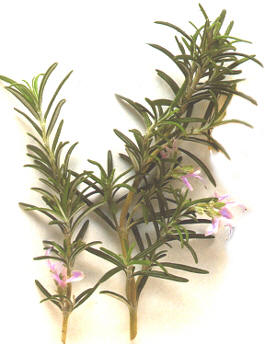 extract, a neurotoxin that can cause neurological problems, seizures
and
anemia?
extract, a neurotoxin that can cause neurological problems, seizures
and
anemia?
When Veterinarians reported that Premium Edge caused neurological problems in cats, testing found that one batch lacked Vitamin B1(thiamine) but the real culprit in cat and dog foods may be rosemary extract, a natural neurotoxin.
Adverse reactions, including seizures, can show up soon after ingestion but symptoms may also be delayed which complicates accurate diagnosis
Nel Liquorman, Health
Editor © TheDogPress
Very few
veterinarians are aware that rosemary or other herbs present a
danger.
Many vets don’t even realize that herbs have become a popular pet food
ingredient.
When changes are made to existing recipes, new
ingredients are simply added to the label listing.
According to Mombu.com/medicine, "ROSEMARY EXTRACT: Flavoring. PAE: illness. An ounce can cause death" (PAE indicates potential adverse affects).
We already know that rosemary extract can cause seizures in cats and small dogs, so it is possible that large dogs will also experience adverse effects depending on the ratio ingested.
Sadly, a vet may begin treatment for epilepsy without ever suspecting the real cause for seizures.
While Phenobarbital will control or reduce seizures,
the animal
continues to consume the ingredient and neurological damage continues.
 Even
though FDA considers most herbs GRAS (generally regarded as safe) Pet
food
companies should research any herbal extract intended for a pet food
recipe.
Even
though FDA considers most herbs GRAS (generally regarded as safe) Pet
food
companies should research any herbal extract intended for a pet food
recipe.
Holistic practitioners warn that herbal extracts, such as rosemary,
sage,
thyme, wormwood, dill, and mint, may be “mind-stimulating and
“contributors to
seizures” and note, they are referring to conditions brought about when
these
substances are ingested by susceptible humans, not by a dog or cat only
a
fraction of a human’s weight.
When “Natural” became a marketing buzzword in pet food after the 2007 melamine disaster many cat and dog food makers capitalized on the “natural food” concept by adding herbs, including rosemary extract, to their foods.
Notably,
holistic
practitioners refer to herbal extracts such as rosemary, sage, thyme,
wormwood,
dill, and mint, as mind-stimulating contributors to seizures.
While a sprinkling of rosemary may be a healthy, delightful addition to spaghetti sauce, in certain forms, herbs can be anything but “healthy.”
According to the University of Maryland Medical Center (1) rosemary can interact with supplements, medications, and even other herbs.
Most references for herbal use carry the caveat “herbal extracts should be used under the supervision of a healthcare practitioner.”
There have been reports of
allergic
reactions due to their volatile oil content. Reactions in humans
include
vomiting, spasms, coma and fluid in the lungs. Obviously the effect on
a
smaller animal such as a dog or cat could be much greater.
 European
researchers found that rosemary interferes with absorption of iron in
the diet,
resulting in anemia in humans. When pets are diagnosed with anemia, the
cause
is commonly diagnosed as flea bites.
European
researchers found that rosemary interferes with absorption of iron in
the diet,
resulting in anemia in humans. When pets are diagnosed with anemia, the
cause
is commonly diagnosed as flea bites.
Few vets would relate anemia to rosemary extract in pet food so the anemic dog or cat is treated for fleas with a regime of dipping or oral flea prevention which may further affect the immune system.
UMMC states that rosemary oil (extract) should never be taken orally, so it makes no sense to add it to a pet food recipe.
Their experts also said “Because rosemary has not been studied in children, it is not recommended for medicinal use in those under age 18.”
That caution was for occasional medicinal use but when cat or dog foods contain rosemary extract, pets are ingesting it on a daily basis for months or years!
In addition to problems associated with rosemary in pet foods, there
are many
other questionable substances, such as soy products, newly created
fiber
additives (prebiotics), live bacteria (probiotics), waste products such
as
soybean hulls, and even dangerous levels of fluoride in many cat and
dog foods.
The only good pet food is one that has been carefully researched!
http://www.thedogpress.com/Columns/PetFood-Rosemary-Neurotoxin-10032_Liquorman.asp
Article Link: (1) http://www.umm.edu/altmed/articles/rosemary-000271.htm
You are here: Home > Pet Food Neurotoxins

Follow Our Updates!


Reviews by Ranking
Reviews by Type
Reviews by Brand
Shopping
Important Tips
Dog Health Problems
Articles
Scoopings